Why Clothing Samples Cost More Than Bulk Production
Short answer
A sample costs more than a bulk unit because nearly all the setup work lands on one garment. That setup includes the pattern, fabric bought in short lengths, print screens, an embroidery file, a one-off wash, trims and hand sewing by a sample maker. In bulk the same work is shared across hundreds of pieces. When you judge a clothing sample cost, check what the quote includes rather than comparing it with the bulk price. Ask which of the setup work carries over into bulk.
Scope and evidence. This guide explains how a sample price is built up. It does not give market prices, and a figure quoted in a forum thread is one supplier's price for one specification, not an industry rate. STREETTEECO's sampling time and sample policy are given as our own. Our sample fee itself is quoted per project.
New brands are often surprised when a sample quote is several times the bulk unit price they were given. The reason is simple, but the detail matters, because two sample quotes for the "same" hoodie can include very different work. This guide breaks a clothing sample cost into its lines, using streetwear tees and hoodies as the example.
Fixed work that one sample carries alone
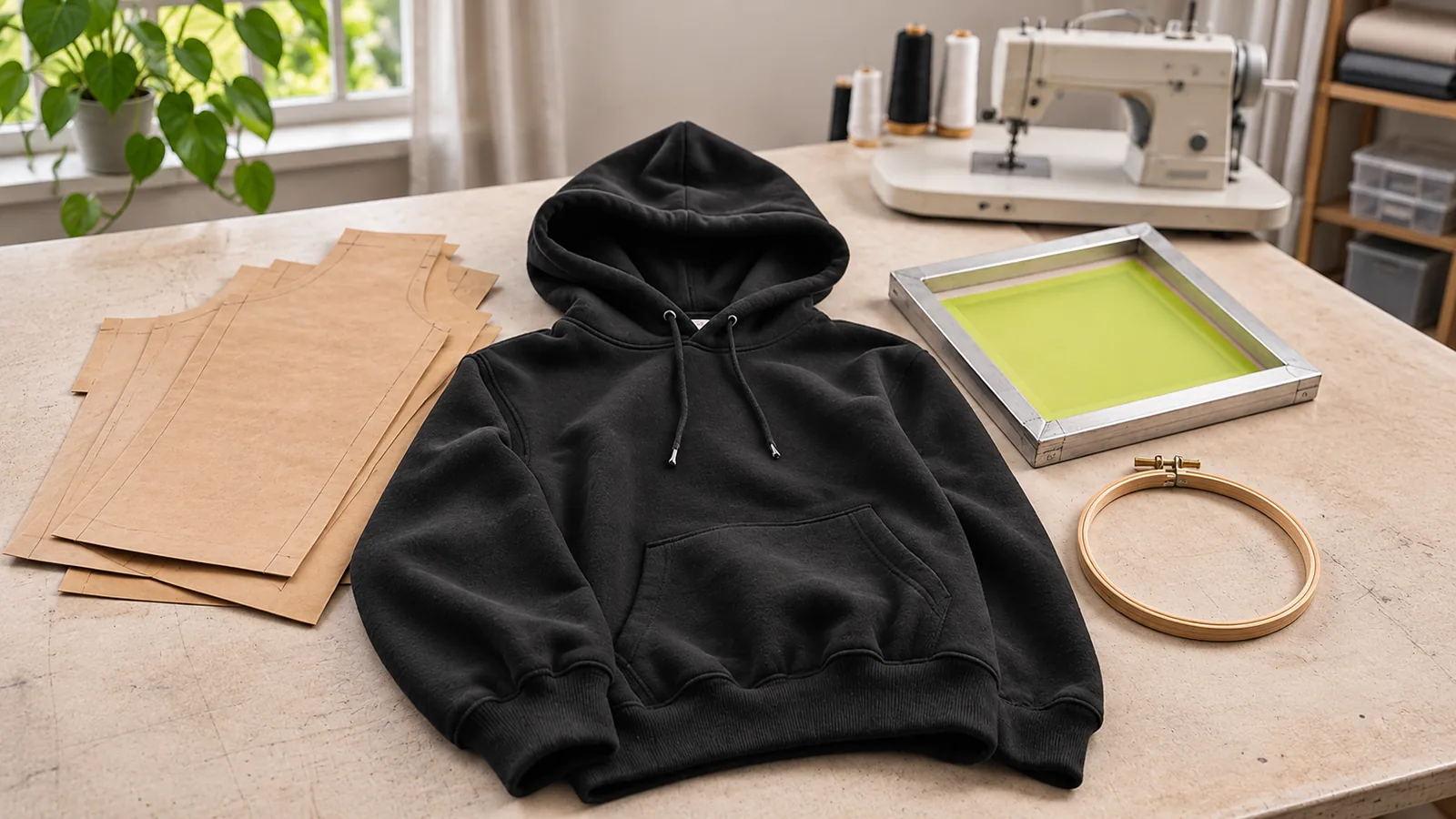
Much of the work behind a garment happens once, however many pieces follow. In bulk that cost is spread across the order. On a sample there is only one garment to carry it.
| Cost line | Why it weighs on a sample | What happens in bulk |
|---|---|---|
| Pattern making | A new pattern is drafted for your measurements, often from a tech pack or reference garment | The approved pattern is graded and reused, so there is no new draft |
| Fabric | Bought in short lengths, or taken from stock when your exact color isn't held yet | Bought by the roll or dyed to order, at bulk fabric prices |
| Screen and puff print | A screen per color and per print location, made for one garment | The same screens can often print the whole run |
| Embroidery | The artwork is digitized into a stitch file before the first stitch | The approved file is reused for every piece |
| Garment dye and wash | A dye or wash cycle run for one or a few pieces | Garments are washed in full batches |
| Labels and trims | Custom woven labels, zippers and drawcords may have minimums, or be replaced by stand-ins | Ordered at quantity for the whole run |
| Sewing | A sample maker sews the whole garment, often adjusting as they go | A production line sews each operation repeatedly |
| Revisions | Each correction round repeats part of the work above | Bulk follows the approved reference |
| Courier | International express for one parcel | Freight is shared across cartons |
Fabric and trims for one garment
Mills and trim suppliers sell in quantities that suit production, not single garments. For a sample, the fabric may come from stock in the closest available color, or a short length may be bought at a higher price per meter. If your color has to be dyed to order, the sample may use a stock color while a lab dip, a small dyed swatch for approving the color, is made for the bulk shade. Ask which it will be. A sample in a stand-in color can approve fit and hand feel, but not the final shade.
Trims work the same way. Custom woven labels, printed care labels, branded zippers, flat drawcords and metal tips can each have their own minimum. A sample may carry a printed stand-in label or a stock zipper so it can be made before the custom trims exist. The private label services page lists the trims we coordinate.
Decoration setups on a sample
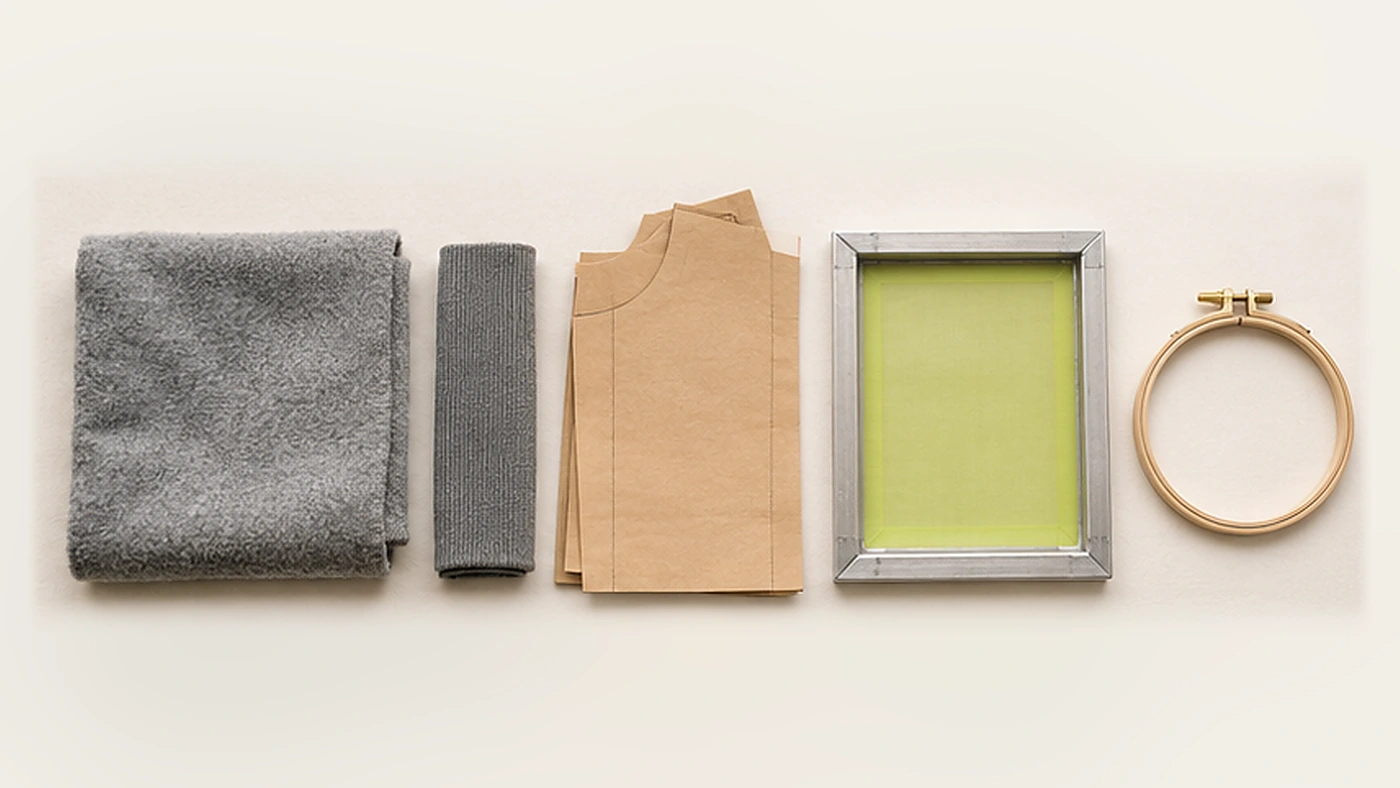
Decoration is often the largest gap between sample and bulk unit cost, because setup costs the same for one garment as for many:
- Screen printing: each ink color needs its own screen. A three-color front print and a one-color back print can mean four screens for one sample.
- Puff print: the raised effect depends on ink deposit and curing, so a test print is often needed before the result is right.
- Embroidery: artwork is digitized into a stitch file, and dense or 3D designs may need a test sew-out on the actual fabric.
- DTG and DTF: these need little setup, so they are sometimes used to make an early sample cheaper. They look and feel different from screen print, though, so a DTF sample doesn't approve a screen-printed bulk order. See DTF and DTG.
Ask whether screens and stitch files made for the sample are kept for bulk, and whether their cost is charged again. At STREETTEECO they are charged once at sample stage and reused for bulk at no further charge.
Why a hoodie sample costs more than a tee sample
A hoodie has more pattern pieces, uses more fabric, and adds rib, a hood, often a lined hood, a pocket, eyelets and a drawcord. Heavy fleece is also slower to sew and press. Expect a hoodie sample to cost more than a tee sample from the same supplier. If the hoodie is washed or garment dyed, the one-off wash adds to that. The hoodie line guide covers which details need their own approval.
Compare a Heavyweight Streetwear Hoodie with a Heavyweight Boxy Tee to see how many more components a hoodie sample involves. Quote each on its own specification.
How to compare two sample quotes
Put the quotes side by side and ask each supplier the same questions:
- Is the sample made in bulk fabric, or in a stock stand-in? Which color?
- Does it include the final decoration method, or a substitute such as DTF for screen print?
- Are your own labels included, or stand-ins?
- Which size or sizes are made, and is a size set offered later?
- How many correction rounds does the price cover, and what does a further round cost?
- Is courier included, and to which address?
- Is any part credited against a bulk order, and on what conditions?
- Are screens, stitch files and the pattern kept for bulk?
A cheaper sample that uses stand-in fabric and labels may need another round later, so total cost to an approved reference can end up higher. These questions belong in the same brief you use when choosing a streetwear manufacturer.
Ways to keep sample cost under control
- Send a clear specification. A complete tech pack or a reference garment with target measurements reduces guesswork and repeat rounds.
- Approve fit and fabric first. A plain body can confirm the pattern before you pay for full decoration. The sample page sets out this order.
- Start from an existing block. Adapting a base fit, for example one of our T-shirt styles, can cost less than drafting from zero.
- Use stock colors where the shade isn't critical at the fit stage, and approve the final shade separately.
- Limit print colors on the first sample if the artwork is still changing. Every new color can mean a new screen.
- Review photos and measurements before courier, so obvious issues are fixed before anything ships.
Sampling also takes time. Use the production timeline guide to see how sample rounds move your launch date.
What a sample fee pays for
A sample is the cheapest point at which to find a problem. A wrong shoulder drop, a print that is too large, or a wash that shrinks the body is easier to fix in one garment than in a full run. Once approved, the sample becomes the reference that bulk is made and checked against. See keeping sample and bulk matched for what to record at approval.
Sampling with STREETTEECO
Development samples typically take 7–10 working days. You can start from a tech pack, a sketch with measurements, or a reference garment. Our tech pack support organizes these into a specification. Here is how our sample charges work:
- Sample fee: a fixed charge per style or per piece, quoted for your project and specification.
- Corrections: the sample fee includes two rounds of corrections. Each round after that is charged at a fixed amount, stated in the quote.
- Print and embroidery setup: screen-print screens and embroidery digitizing are charged separately at sample stage. The same screens and stitch files are then used for bulk with no second charge.
- Credit against bulk: the sample fee is credited against the bulk order when that style reaches 300 pieces or more in a single color.
- Shipping: the buyer pays for sample shipping. We offer shipping options at different price points so you can choose by budget, or we can ship to a courier or forwarder you nominate.
After approval, bulk starts from 50 pieces per style per color, split across sizes as you choose. Bulk production takes 14–25 working days from receipt of payment for the bulk order. Ask us the eight questions above and compare our answers with other quotes. The same terms are listed on our sample page.
FAQ
Why is a clothing sample so expensive compared with the bulk price?
Pattern making, print screens, embroidery files, short fabric lengths, one-off washes and hand sewing all fall on one garment. In bulk the same setup is shared across the whole order.
Is a sample fee usually credited against the bulk order?
Some suppliers credit part or all of it once a bulk order is placed, and others don't. Ask for the condition in writing, such as the order quantity it applies to. At STREETTEECO, the sample fee is credited when that style reaches 300 pieces or more in a single color.
Why does a hoodie sample cost more than a T-shirt sample?
A hoodie uses more fabric and more pattern pieces, and adds rib, a hood, a pocket, eyelets and a drawcord. Heavy fleece is also slower to sew and press.
Can I save money with a DTF or DTG sample instead of screen print?
It can lower the cost of an early fit sample. But DTF and DTG look and feel different from screen print, so they don't approve a screen-printed bulk order. Plan a sample in the bulk method before you sign off.
How do I know if a sample quote is reasonable?
Compare what each quote includes: fabric, decoration method, labels, sizes, correction rounds, courier, and whether the pattern and screens carry over to bulk. A price from someone else's project is not a benchmark for yours.
Who pays for sample shipping?
Usually the buyer, but check each quote. At STREETTEECO the buyer pays for sample shipping and chooses from the shipping options we offer, or we send the sample to a courier or forwarder the buyer nominates.
Get a sample quote you can compare
Send your tech pack or reference garment, fabric weight, artwork and labels. We'll quote the sample and list exactly what it includes.
Request a QuoteOrder a Sample